August 18, 2015
+
12:22 am

The Family Dinner Project Comments on Rise of Meal Delivery Start-ups

Excerpt from The New York Times:

So, are these food start-ups good for the home, or yet another setback for the traditional nuclear family?

Lynn Barendsen, executive director of the Family Dinner Project, a group with ties to the Harvard Graduate School of Education that promotes the benefits of home cooking, said it depends entirely on which services you use, who you are, and what you did before these companies came along.

If your family eats pizza every night in front of the TV or laptop, a meal from Gobble or one of its competitors is a much better alternative, Ms. Barendsen said. But if you’re teaching your children about cooking and where food comes from, then you’re depriving them of the full home-cook experience.

“Dinnertime has to do with the prep time and taking your kids to the grocery store,” she said. “It’s the time in the kitchen and it’s also the time afterwards, cleaning up together.”

For low-income families who are eating dinner from a drive-through every night, Ms. Barendsen added, these start-ups are probably no help. Gobble costs $12 to $14 for each meal. Plated charges $12 a plate and Blue Apron is $10 a person.

Ms. Barendsen said the Family Dinner Project is trying to teach low-income families to make dinner for an entire family for less than $20.

Read full article here

The Additive Agency
The Addtitive Agency is transforming conversations, communities and causes for good. Learn how we can do more together.

More News + Resources

Mount Holyoke College, one of our longtime partners, is home to Professor of Art Studio Lisa Iglesias, whose new interactive sculpture “DiMeLo” was featured in...
Our partners at the YMCA of Greater San Francisco are working to tell the broader story of their impact — one that centers on connecting...
WebMD changed the doctor-patient relationship, but didn't eliminate the need for medical professionals. AI will do the same for branding.
AI summaries or chatbot answers are increasingly becoming someone’s introduction to your organization.
Endless distractions compete for our attention. Explore three steps to activate campaigns that stand out and inspire.
Our partner, Phoenix Children's Hospital, was ranked among the nation's best. Learn more.
Effective marketing and communications plans start with three questions. Learn how to begin answering them.
The right name can make it easier for people to understand, choose and champion you. Learn about our three-part approach.
In the story, rival fans find common ground and communities grow stronger with our partners at the YMCA of Greater New York.
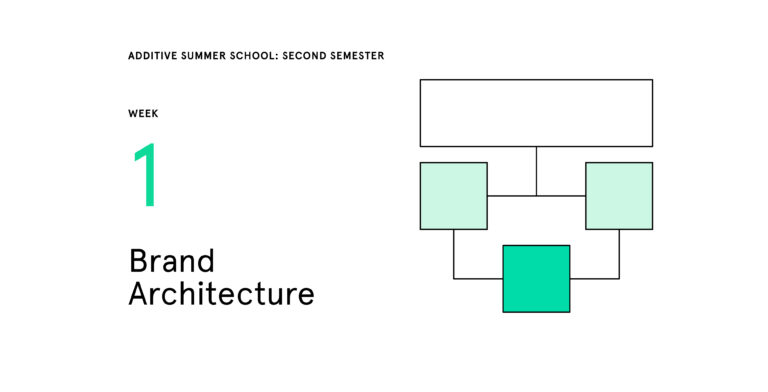
Brand architecture is how offerings are organized and presented. Learn about our five-part process for maximum clarity and impact.
This spring, Feed the Children is activating Put Child Hunger to Bed with corporate partners.
School may be out, but summer is actually a great time to learn. Check out the topics you can dive into.
Our partner, UVA Health, was recognized for the high-quality care, compassion and skill it provides to the state of Virginia.
Our partners at United Way Worldwide share insights from their analysis of 19 million calls connecting people to essential resources.
The Healthy Outcomes from Positive Experiences (HOPE) framework is an evidence-based approach to help reduce the effects of childhood trauma.
Together, the two organizations will become the nation's largest nonprofit dedicated to suicide prevention.
Our partners at the Division of Marketing at Syracuse University earned top recognition for their talents.
Toast with us to celebrate our creative director and design director. Learn more about their time at Additive and creative pursuits.
People care about what they can see and recognize. Learn how you can use this insight to frame a complex issue like hunger.
In a world where everything looks and sounds the same, only this type of brand will break through. Learn more.