
People care about what they can see and recognize.
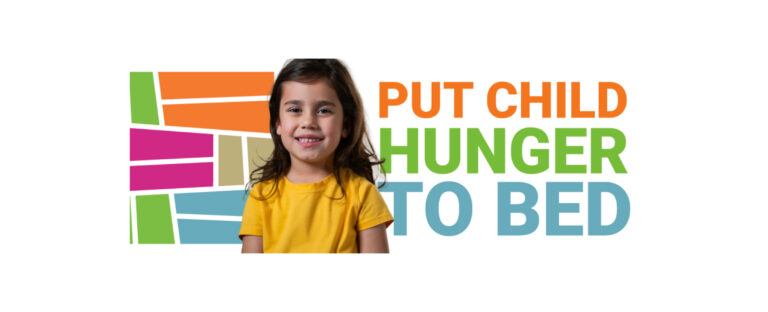
But too often, complex challenges like hunger are framed in ways that are distant or abstract, and easy to ignore.
For example, the sector often talks about “food insecurity,” but real-world experiences are much simpler: Can I afford groceries this week?
To make clear that hunger isn’t someone else’s problem, but is a crisis affecting all of us, nonprofits must reframe the story around affordability, access and community well-being.
Shift from Policy Speak to Plain Language
Hunger is often framed as something affecting vulnerable populations far away, which is true — millions around the world are hungry. But so are our next-door neighbors. The costs of food, rent and other essentials keep climbing, and 1 in 7 U.S. families now face hunger.
Rather than defaulting to policy shorthand, we can use plain language to help audiences recognize food access and affordability in everyday life:
- A parent skipping breakfast and lunch so they can buy dinner for their children
- An unexpected car repair draining a food budget
- A family buying cheap, high-calorie, nutrient-poor food because fresh produce costs too much
And instead of “food security,” we can describe positive outcomes more concretely:
- A future where no one has to decide between paying bills and buying groceries
- A city where every family has enough to eat every day
- Access to healthy food for all
For example, World Central Kitchen frames food relief in terms anyone can relate to: Ensuring that in times of crisis, families have something warm and nourishing on their plates.
Shift from One-Time Relief to Solutions that Last
Hunger is both an immediate and long-term challenge. When people are hungry, they need to eat now. But they also need food tomorrow. Emergency food programs play a critical role in meeting this need.
However, the story of long-term solutions is broader than any single program. From free school meal programs to local food distribution networks, connecting urgent needs with lasting solutions help audiences see hunger relief not just as a response, but as part of building ecosystems of support that sustain.
FoodCorps balances the immediate and long-term by getting “fresh, local, and nutritious foods on the [school] lunch tray” and “teaching kids about growing, cooking, and eating nourishing food” — feeding students now and setting them up for a lifetime of healthy choices.
Shift from Organization-Focused to Community-Led
Community well-being depends on the well-being of everyone within it. When families can’t afford food, the effects ripple across health, education and the workforce.
Some of the most effective responses to hunger are rooted in communities themselves. From community leadership to culturally relevant programs, communicators can elevate these efforts and bring people closer to the reality of hunger — and the role they can play in addressing it.
DC Central Kitchen addresses hunger as a deeper challenge affecting community well-being: restricted pathways to employment. It created a community-driven solution: “…picking up wasted food, turning it into balanced meals, and using that process to train jobless adults in the culinary arts…”
Bringing work like this to the forefront reinforces that the best solutions are shaped with communities and not simply delivered to them.
We Can Solve Hunger Together
Framing matters. The way we present information influences how people think and act.
When we communicate in terms that people use in their day-to-day lives — and connect those experiences to real solutions — we make it easier for communities, partners and donors to see their role in creating lasting change. And together, we can solve hunger for good.
For more insights like this, sign up for the Additive newsletter.
By Lila Tublin and Sacha Cotton