July 16, 2019
+
5:08 pm

Real or Robot? The Rise of Virtual Influencers

A recent article in the New York Times discussed the rise of virtual influencers — online characters created for the sole purpose of partnering with brands. Although it may seem like something out of a sci-fi novel, they’re already proving to be commercially viable.

Miquela, one of the best-known virtual influencers, has worked with Calvin Klein and Prada, has 1.6 million followers on Instagram and 100,000 monthly listeners on Spotify. For comparison, this means that she has a larger audience — on both platforms — than Jerry Seinfeld.

She was created by Brud, a secretive design studio that claims its products “create a more tolerant world by leveraging cultural understanding and technology.” Miquela mostly partners with consumer brands, but she does dabble in advocacy. Last year, she spoke out in favor of reuniting separated families at the U.S.’s southern border, and a recent pro-choice Instagram post garnered 100,000 likes.

The advantages of a virtual influencer are obvious: they have the potential to reach audiences as large or larger than human influencers, offer unparalleled message control, and won’t cause controversies that could damage partner brands.

But Miquela can’t show up at a protest or testify before Congress. She can’t speak with the weight of personal experience. She cannot, by definition, tell a true story.

These differences matter, especially in the digital age. Authenticity and truth are absolutely essential for nonprofits, and partnering with a fictional character who exists to sell products could jeopardize the very core of an organization’s existence.

Virtual influencers also go against a central fact of our biology: people trust people. Whether it’s a testimonial from a real person or a celebrity endorsement, our brains are wired to respond to other humans and their true stories. That’s part of the reason why word-of-mouth continues to be such a strong driver across segments.

And for all her elaborate backstory, Miquela and her digital companions are little more than elaborate mannequins. They do have influence — any account with 1.6 million followers has a powerful audience — but they are probably best suited to building awareness for consumer brands. For nonprofits and other purpose-driven organizations, virtual influence still can’t replace the real thing.

The Additive Agency
The Addtitive Agency is transforming conversations, communities and causes for good. Learn how we can do more together.

More News + Resources

Our partners at the YMCA of Greater San Francisco are working to tell the broader story of their impact — one that centers on connecting...
WebMD changed the doctor-patient relationship, but didn't eliminate the need for medical professionals. AI will do the same for branding.
AI summaries or chatbot answers are increasingly becoming someone’s introduction to your organization.
Endless distractions compete for our attention. Explore three steps to activate campaigns that stand out and inspire.
Our partner, Phoenix Children's Hospital, was ranked among the nation's best. Learn more.
Effective marketing and communications plans start with three questions. Learn how to begin answering them.
The right name can make it easier for people to understand, choose and champion you. Learn about our three-part approach.
In the story, rival fans find common ground and communities grow stronger with our partners at the YMCA of Greater New York.
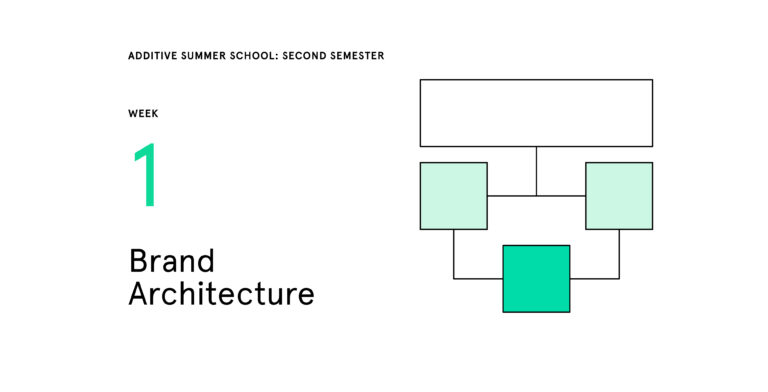
Brand architecture is how offerings are organized and presented. Learn about our five-part process for maximum clarity and impact.
This spring, Feed the Children is activating Put Child Hunger to Bed with corporate partners.
School may be out, but summer is actually a great time to learn. Check out the topics you can dive into.
Our partner, UVA Health, was recognized for the high-quality care, compassion and skill it provides to the state of Virginia.
Our partners at United Way Worldwide share insights from their analysis of 19 million calls connecting people to essential resources.
The Healthy Outcomes from Positive Experiences (HOPE) framework is an evidence-based approach to help reduce the effects of childhood trauma.
Together, the two organizations will become the nation's largest nonprofit dedicated to suicide prevention.
Our partners at the Division of Marketing at Syracuse University earned top recognition for their talents.
Toast with us to celebrate our creative director and design director. Learn more about their time at Additive and creative pursuits.
People care about what they can see and recognize. Learn how you can use this insight to frame a complex issue like hunger.
In a world where everything looks and sounds the same, only this type of brand will break through. Learn more.
Joining MLS NEXT will further elevate BKU’s commitment to excellence and creating opportunities for young people to grow as athletes and individuals.