
In December 2024, my husband was experiencing extreme back pain.
On January 28 we were told he had a tumor on his kidney, and it needed to be removed immediately.
On February 1, our son’s 15th birthday, he was admitted to the ER with a pulmonary embolism when part of the tumor broke off and traveled to his lungs.
On February 15 he underwent a complex surgery to remove the tumor along with his kidney and adrenal gland. He spent two weeks in the hospital.
On April 2 we sat with our oncologist and heard the words no family wants to hear:
while his cancer is treatable with immunotherapies, it is not curable. We also learned the cancer had spread to his lungs, spine and lymph nodes.
Since then he has been through multiple cycles of immunotherapy, several rounds of radiation and countless appointments with oncologists, radiologists, pulmonologists and nephrologists.
Why I’m Sharing This
I have spent my career helping health systems, cancer centers and community care networks tell their stories. I have interviewed patients and families, clinicians and caregivers. I have built strategies to elevate brands and center patients.
But until this year cancer was something I understood mostly through the lens of my work and loss of my grandmother and aunt. Experiencing it up close as a spouse and parent has been different.
The lived experience, especially one you never wanted, changes everything. It sharpens empathy. It exposes the fragility of systems. It reveals just how heavy the psychological and physical toll of a diagnosis can be, from the first scan to the latest treatment. And it deepens your urgency for action.
That urgency is critical now. Scientific research, including funding for cancer breakthroughs, is under threat. So are Medicaid and Medicare, which provide lifelines for millions. And yet for many these issues feel abstract until they become personal.
The question is: how do we get people to care about what doesn’t yet feel like their issue?
Lessons From the Journey
Here are some lessons I’ve learned through my family’s experience and through decades of work alongside patients and communities. They shape a playbook not just for navigating complex health issues but for galvanizing action around them.
1. The Power of Agency
You may not choose the diagnosis, but you can choose your response. Asking questions, seeking second opinions and advocating for yourself or a loved one can change the trajectory of care. Agency transforms passive patients into active participants.
2. The Power of Dignity
Illness often strips away control. But care, medical and non-medical alike, should always protect dignity. That means seeing the whole person, not just the disease. Small gestures, from how clinicians communicate to how systems support access, can restore humanity in the most challenging moments.
3. The Power of Hope
Optimism is not naïve — it is necessary. It fuels resilience, helps people endure treatments and sustains families through uncertainty. Whether rooted in science, spirituality or community, hope is a vital intervention.
4. The Power of Community
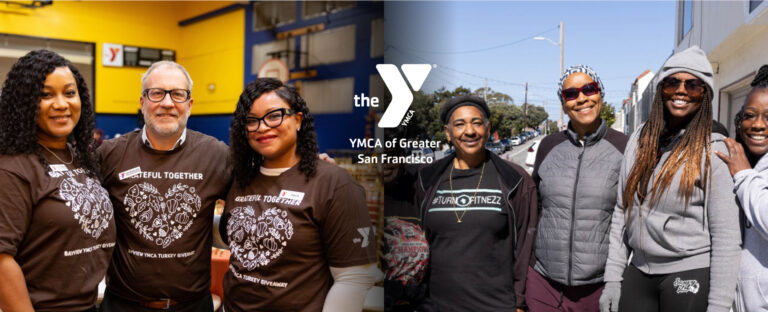
No one should navigate complex health issues alone. Support networks of family, friends, advocacy groups and faith communities are as essential as doctors and drug protocols. Community connections — whether online through a Facebook group or in person at a local YMCA — can ease isolation, expand resources and give patients and families the strength to keep going.
Why It Matters for All of Us
You may never expect to face a diagnosis like ours. I didn’t. But someone you love will. And when they do, they will need the full horsepower of our research enterprise, our healthcare systems and our communities behind them.
Investing in science, protecting health access and building human-centered systems is our shared responsibility. It is how we build a better world — one where we all thrive.
My hope in sharing this is simple: that you see our story not as my lived experience but as our collective one. That you take away not only empathy but urgency. And that you leave with the conviction that research, access, dignity, hope and community are worth fighting for because one day they may be what saves you too.